Table Of Content
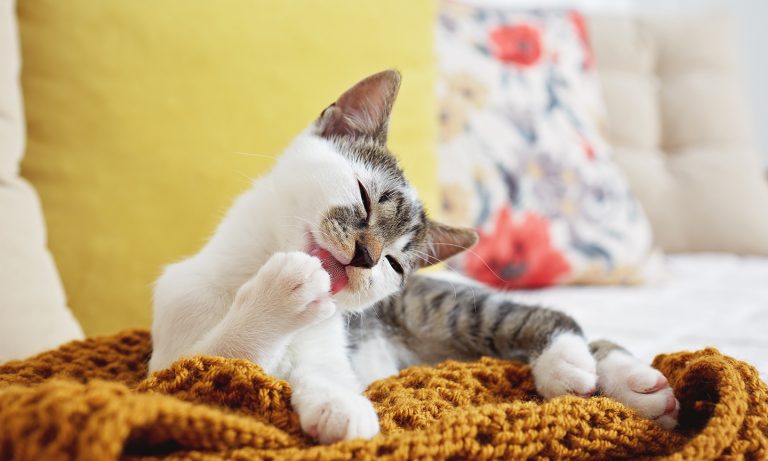
You should also help them as much as you can to avoidhair buildup in their stomach as much as possible by following some suggestions we will give you in the following steps. The problem is that the animal is not capable of spitting that hair once they drag it with their tongue, which is why they don't have another alternative rather that swallowing it. Hairballs, technically called trichobezoars, are what happens when the loose fur your cat swallows doesn’t pass through their digestive system as these furs normally should.
How Do You Know If Your Cat Has Hairballs?
Cats try and vomit them up to prevent them going into the intestine and causing a blockage. Don’t be worried if you see your cat stretch their neck, dry retch (their mouth opening wide) and expel a hairball before calmly walking away. It can be distressing to watch this, but don’t worry – it’s normal. They naturally know how to self-groom, and rarely need bathing. However, during the self-grooming process, they can swallow loose hair – and this leads to a cat hairball. Most cats get hairballs from time to time and it’s usually nothing to worry about.
Discourage Excessive Grooming
And just think, this number could actually be higher since cats love to hide them in places you may never find! As you might imagine, it’s actually a pretty good thing that your cat does vomit up any hairballs they get. Otherwise, you’d be having to pay for multiple surgeries to have these obstructions removed from their digestive tract when they fail to pass through on their own.
Need to speak with a veterinarian regarding your cat’s hairballs or another condition?
However, sometimes cats have hairballs that they are not able to vomit up. Hair trapped in the intestinal tract can cause serious problems, so it’s vital to have your cat seen by a veterinarian if you think she might have hairballs. While you might not need to worry about the occasional hairball, there are some instances in which you should see your vet.
Cat Hairball Treatment
Cats with longer fur, such as Persians and Maine Coons, naturally produce more hairballs as their hair accumulates into a clump faster. Cat hairballs are part of cats’ instinctive grooming regime and are usually nothing to worry about. Kittens and younger cats usually have fewer hairballs because they are not as fastidious in terms of grooming. Older cats, on the other hand, may have grown fussier and may produce hairballs more often.
Regular grooming:
In severe cases, medical interventions, including pet surgery, may be the only way to remove hairballs from a cat’s digestive tract. The surgical procedure, known as a gastrotomy, involves making an incision in the belly to remove the hairball. It's important to note that this type of surgery is generally only recommended when other treatment options have been exhausted, and the hairball poses a significant risk to the cat's health. Some wet wipes or shampoos are also marketed to reduce shedding, thereby reducing hairball formation, yet many are ineffective. The use of hypoallergenic grooming wipes may at least help remove dead or loose hair before it’s swallowed, yet regularly brushing your cat is more effective.
Help create the world's biggest fur ball at Meowfest in Toronto this weekend - NOW Toronto
Help create the world's biggest fur ball at Meowfest in Toronto this weekend.
Posted: Tue, 18 Jul 2023 07:00:00 GMT [source]
A visit to your veterinarian can rule out any medical causes for the hairball, such as problems with gastrointestinal motility or a potential intestinal blockage. Regularly brushing your cat can help to reduce the amount of fur she ingests and hence, the incidence of hairballs. Long-haired cats that do not tolerate or benefit from brushing by their owners may benefit from regular clipping to reduce hair ingestion.
9 Best Cat Foods for Shedding & Hair Loss in 2024: Reviews & Top Picks - Catster
9 Best Cat Foods for Shedding & Hair Loss in 2024: Reviews & Top Picks.
Posted: Fri, 17 Nov 2023 07:31:10 GMT [source]
Other commercial products, either over-the-counter or prescription hairball products, can also help ease the passage of hairballs. Before trying any medication, a quick chat or visit with your vet is recommended to ensure that there are no underlying issues causing your cat to have hairball issues. If other factors are identified, those should be treated first. The petroleum jelly acts as a lubricant to aid the passage of hair through the intestines and into feces. Therefore, when used sparingly, a tiny amount of petroleum jelly or similar gel-based hairball treatment marketed for cats can reduce hairballs from being expelled the wrong way. Additionally, certain digestive disorders can also lead to more hairballs.
Hairballs in Cats – Nuisance Or Concerning Problem?
You can reduce the amount of hair your cat ingests by brushing the fur several times a week. Brushing the fur removes the loose or dead hair before your cat can swallow it. You may notice your cat is coughing up hairballs when you find vomit with pieces of hair, food, and fluid in it.

However, while rare, hairballs can present dangers if the clump of fur in the cat’s stomach becomes too large to pass or gets lodged in their digestive tract. Hairballs in cats are more likely to appear in long-haired breeds, such as Persians and Maine Coons. Cats that shed a lot or who groom themselves compulsively are also more likely to have hairballs because they tend to swallow a lot of fur. You may have noticed that your cat didn’t have hairballs as a kitten, but developed them as they grew. Anal glands being infected can cause cats to lick excessively at their hind end.
You love your cat's silky coat and how immaculately clean she keeps it. Hairballs are common in cats, especially those with medium to long coats. If you're worried about your cat and the hairballs she's leaving all over the house, keep reading! We're going to discuss what's normal, other causes of hairballs, and how to treat the problem if your cat has frequent hairballs. Don't wait until your annual vet visit if your kitty keeps trying to vomit but nothing comes out. According to the CFHC, other signs of potential blockage include lack of appetite and true vomiting.
Since your cat isn’t likely to stop grooming or shedding, you probably won’t be able to prevent hairballs entirely. However, you can take measures to lessen their frequency or their severity. Any condition that leads to excessive grooming, such as skin conditions, allergies, or flea infestations, can also lead to an increase in hairballs.
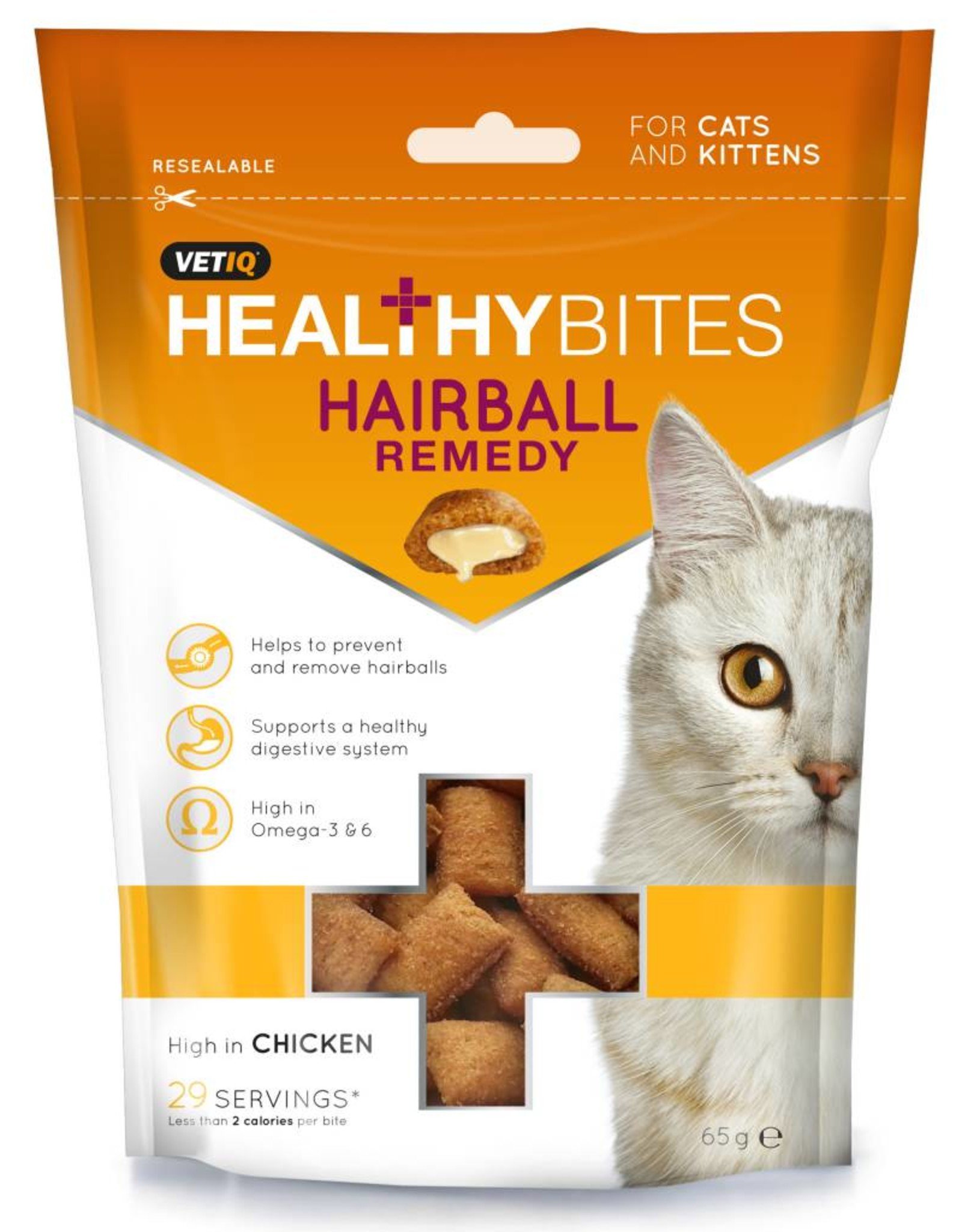
The products act as a lubricant so your cat can pass the hairball through the intestinal tract. One example of a product is Laxatone, which can be applied and licked off their paws. Now that you know how to help your cat pass hairballs, there are a few things that you can do to minimize them and prevent them from occurring. It’s impossible to stop hairballs completely because cats swallow hair every time they groom themselves. But with these tips, you can slow their frequency and make them easier for your cat to deal with. Adding fish oil to your cat’s food can help them pass a hairball naturally.
If a blockage is suspected, surgery may be required, though most cases are treated with clinical care for several days first. While grooming is a part of being a cat, you can discourage your cat from spending all day licking themselves by playing with them and introducing them to new stimuli. Your cat will need to spend time grooming their fur to stay clean, but you can reduce the amount of grooming they do by spending ample time playing with your cat so they’re tuckered out.


No comments:
Post a Comment