Table Of Content

Nothing can be done to totally prevent hairballs in cats, but there are things you can do to reduce the likelihood your cat will have hairballs or reduce their frequency. If your cat is producing more than one hairball per week, consider booking an appointment to see your veterinarian. It may be a sign of your cat's meticulous grooming but it could indicate a medical problem. To help your cat pass a hairball, try putting a small amount of petroleum jelly on their paws for them to lick.
Cat Gut Health: 8 Tips to Improve & Restore Your Cat’s Microbiome
Dr. Elizabeth Racine is a small animal general practice vet covering all things pet health and wellness. Her special interests include veterinary behavior, nutrition, and internal medicine. As a freelance writer, Dr. Racine has written content for major companies in the industry such as the American Kennel Club, Merck Animal Health, Bayer PetBasics, Elanco, and CareCredit.
Treatment of hairballs in cats
Both of these options can help lubricate the hairball and make it easier to pass through the digestive system. Usually the hair just passes though their digestive tract, but it may collect in their stomach or intestines. Your cat then vomits up that mass of matted hair, known scientifically as a “trichobezoar,” to clear it from their system. If your cat is getting hairballs, it's important to brush them on a regular basis, Paolillo says. This removes extra hair so they aren't ingesting as much of it.
What to Do If Your Cat Is Getting Hairballs
Frequent hairballs can be an early sign that your cat is over-grooming, which can occur due to anxiety, pain, stress, itching, or certain skin conditions. It is especially important to visit your veterinarian if your cat’s hairballs are accompanied by any other symptoms, such as a loss of appetite, lethargy, diarrhea, or a change in behavior. The more fur you remove from your cat, the less fur that will end up as hairballs in their stomach. Combing or brushing your cat on a daily basis can be an effective way to minimize hairballs, and it can also provide a fun way for you to bond with your cat.
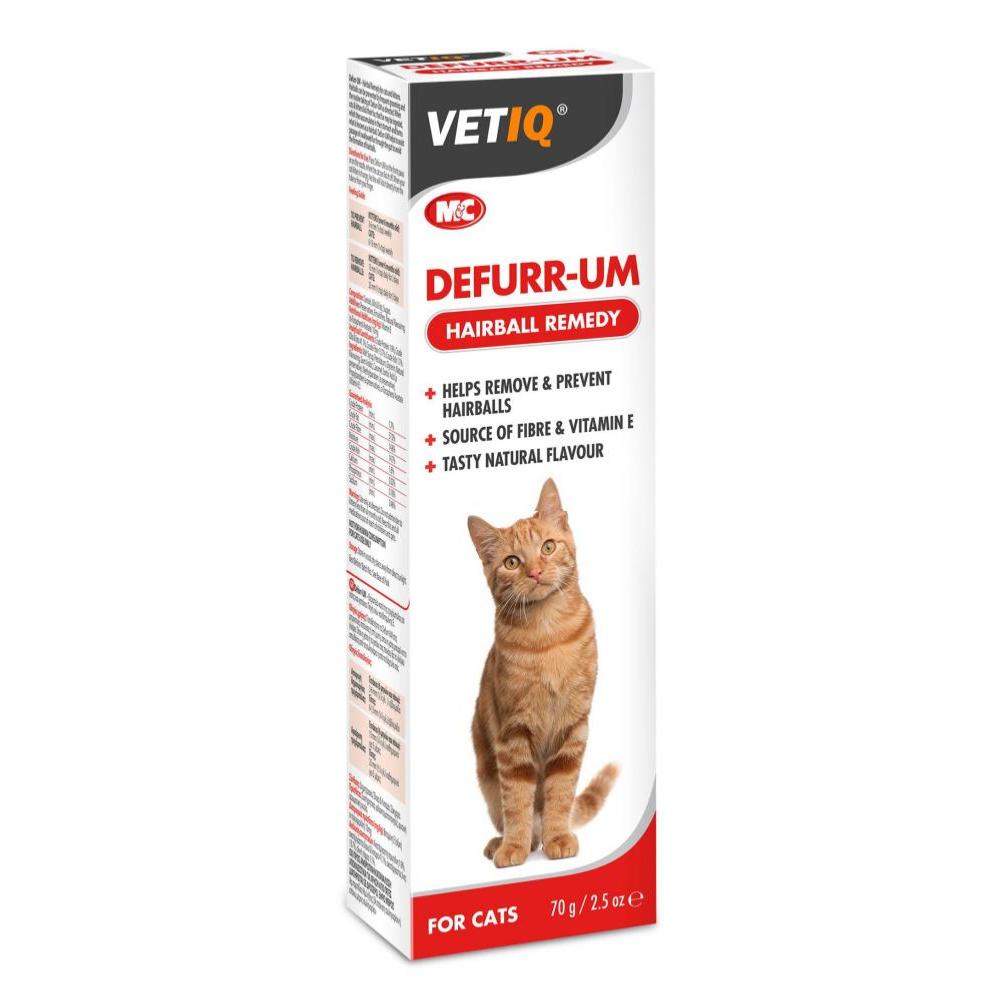
Pet parents can also encourage increased water consumption by ensuring that water bowls are always clean and full or using a fountain or bubbler, which many cats enjoy. Be wary of treats marketed as hairball remedies, as many are full of empty calories and may not always help with hairball issues. However, improper amounts of fiber supplements (such as Metamucil powder) can cause painful gas distension and GI upset. Furthermore, canned pumpkin is unlikely to contain enough fiber to be helpful. If you’re looking to increase fiber in your cat’s diet, consider cat grass or a commercial diet specially formulated for hairball control (details below) after speaking with your veterinarian. However, if your cat is vomiting up hairballs more frequently (several times a week or daily), a trip to the vet is highly advised since an underlying gastrointestinal disorder may be to blame.
Hairball Treatment for Cats

At BetterVet, we understand the importance of maintaining your cat’s overall health and well-being. That's why we offer flexible, on-demand mobile veterinary care for cats and other pets. While hairballs are a pretty run-of-the-mill issue in cats, it’s important to make sure you’re doing what you can as a cat owner to protect your fur baby from getting hairballs.
Preventing hairballs in cats
Keeping your cat’s coat regularly trimmed means that the hair your cat consumes is less likely to become tangled in a hairball and has a greater chance of passing through her system without incident. Numerous hairballs in cats can also be a symptom that your cat is over-grooming. Cats tend to over-groom when they are stressed – a bit like us biting our fingernails – and thus will consume more hair, leading to more hairballs. It’s also possible for a cat that does have a hairball in her stomach to vomit without producing any hair, so a lack of hair in the vomit is not always indicative of what’s causing the vomiting. If your cat experiences repeated vomiting, it always warrants a visit to the veterinarian to investigate the cause.
It’s perfectly normal for your cat to gag several times to be able to vomit the hairball. When a cat is trying to bring up a hairball, they may start retching, gagging or acting like they are dry heaving and trying to vomit. This is because your cat can appear to be coughing from the lungs, gagging with their throat and retching from the stomach.
What Should You Do if Your Cat has Hairballs?
The more loose hair you can brush out of your cat’s coat, the less she will ingest while self-grooming. Although grooming is part of the natural behavior of cats and cannot and must be prevented, as owners can help our animal to prevent hairballs, particularly during their molting stages. Hairballs can cause a blockage in your cat’s digestive tract, making it difficult or even impossible for them to pass stool. This can cause cats to get diarrhea or become constipated and experience pain and discomfort. In this blog post, we’ll take a close look at cat hairballs — from cat hairball symptoms to hairball treatment for cats and prevention.
Hairballs are usually harmless unless your cat is coughing them up frequently. The hair may have hardened and caused a blockage of the intestinal tract, and this condition can be fatal for your furry friend. In addition to offering your cat a fresh, clean water source each day, try to encourage them to drink more. Use a water fountain that might interest them more than a regular bowl of water. You can also add water or broth to their food to give them more moisture. The proper amount of hydration will keep their digestive systems working well.
Although hairballs in cats are typically normal and harmless, too many can be a sign of a problem for your feline friend. You should only start to worry if the cat is vomiting up a hairball every few weeks or consistently for more than 48 hours at a time – it’s a sign too much hair is ending up in the gut. These kibble-based products contain lots of fibre to help take excess fur through the digestive system. They also contain vitamins and minerals to keep your cat’s fur in good condition and reduce hair loss. Their tongues have little barbs to snag the hairs as they shed. Barbs face backwards on the tongue to help snag loose hairs, but it also means cats have little choice but to swallow the hair they groom, creating a hairball.
Do Hairball Gels For Cats Actually Work? - POPSUGAR
Do Hairball Gels For Cats Actually Work?.
Posted: Sat, 26 Sep 2020 07:00:00 GMT [source]
If your cat is getting hairballs and you’re worried about changes in their behavior, eating, drinking, or sleeping habits, contact your vet. At some point, cats will eject that hairball, along with bile and saliva. Typically, the longer and more copious the fur, the more often the cat will produce hairballs, but shorthaired cats can contribute their fair share. However, speak to your vet before adding any extra fiber to your cat’s diet, as you want to figure out just the right amount, or if this is even the right approach for your cat. The dreaded hairball, with the noise, the mess, and the cleanup, is definitely not one of our favorite parts of cat ownership (though our cats are still worth it!). Some cats tend to throw up hairballs more than others, and if you’re the owner of such a cat, you probably want to reduce the instances of these goopy messes.
In 2007 she accomplished her dream of practice ownership, designing and building her own clinic. Another meaningful role, while running her clinic, was serving as her county's shelter veterinarian. This gave her the opportunity to help improve the lives of many animals in her community as well as work with the rescue she loved. If your cat hacks like he’s trying to bring up a hairball, but nothing comes out — that may actually be a cough (this video is an example of a cough). Some cats will excessively lick and chew at different areas to attempt to soothe their discomfort from arthritis. Many of these products have ingredients like extra fiber, oil, vitamins and minerals.
She writes and edits educational articles for pet parents and creates continuing education and online learning modules for healthcare professionals. She has worked in research and small animal practice since graduating veterinary school and is a member of the American Veterinary Medical Association. Butter and oils (such as olive oil, coconut oil, and fish oil) may be adequate lubricants to help hair slide more easily through the intestines. However, too much of these fats can cause GI upset (including diarrhea and vomiting), pancreatitis or weight gain. Therefore, cat parents should avoid feeding them to their cats unless directed by a veterinarian. When cat hair has a chance to build up in the stomach, it will eventually become too big and need to be removed.
If you can’t get your cat accustomed to brushing, think about taking them to a professional groomer for a grooming and haircut (especially for long-haired cats) every 6 months or so. While common, cats vomiting up a hairball is not medically normal. In a healthy cat, the fur that is swallowed during grooming should be able to pass through the intestines and exit with the stool during a normal bowel movement. The excessive grooming causes your cat to lick and swallow the loose pieces of hair.


No comments:
Post a Comment